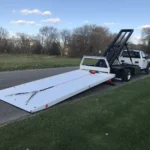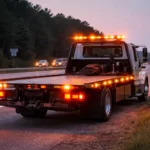
Flatbed towing provides the highest level of protection by keeping all four wheels off the ground on a solid platform. This method is the primary choice for all-wheel-drive vehicles, luxury cars, and long-distance transport. Wheel lift towing uses a metal yoke to lift either the front or back wheels, leaving the remaining pair to roll on the pavement. This approach is more effective for short distances, tight spaces, and standard front-wheel-drive or rear-wheel-drive vehicles.
Selecting the right method prevents mechanical damage and ensures the car arrives at its destination without added wear. ALTA RUNS TOWING provides this comparison to help drivers make informed decisions during roadside emergencies or planned vehicle transports. Years of experience in vehicle recovery and transport in the Atlanta area inform the technical details provided here.
How Flatbed Towing Protects Your Vehicle
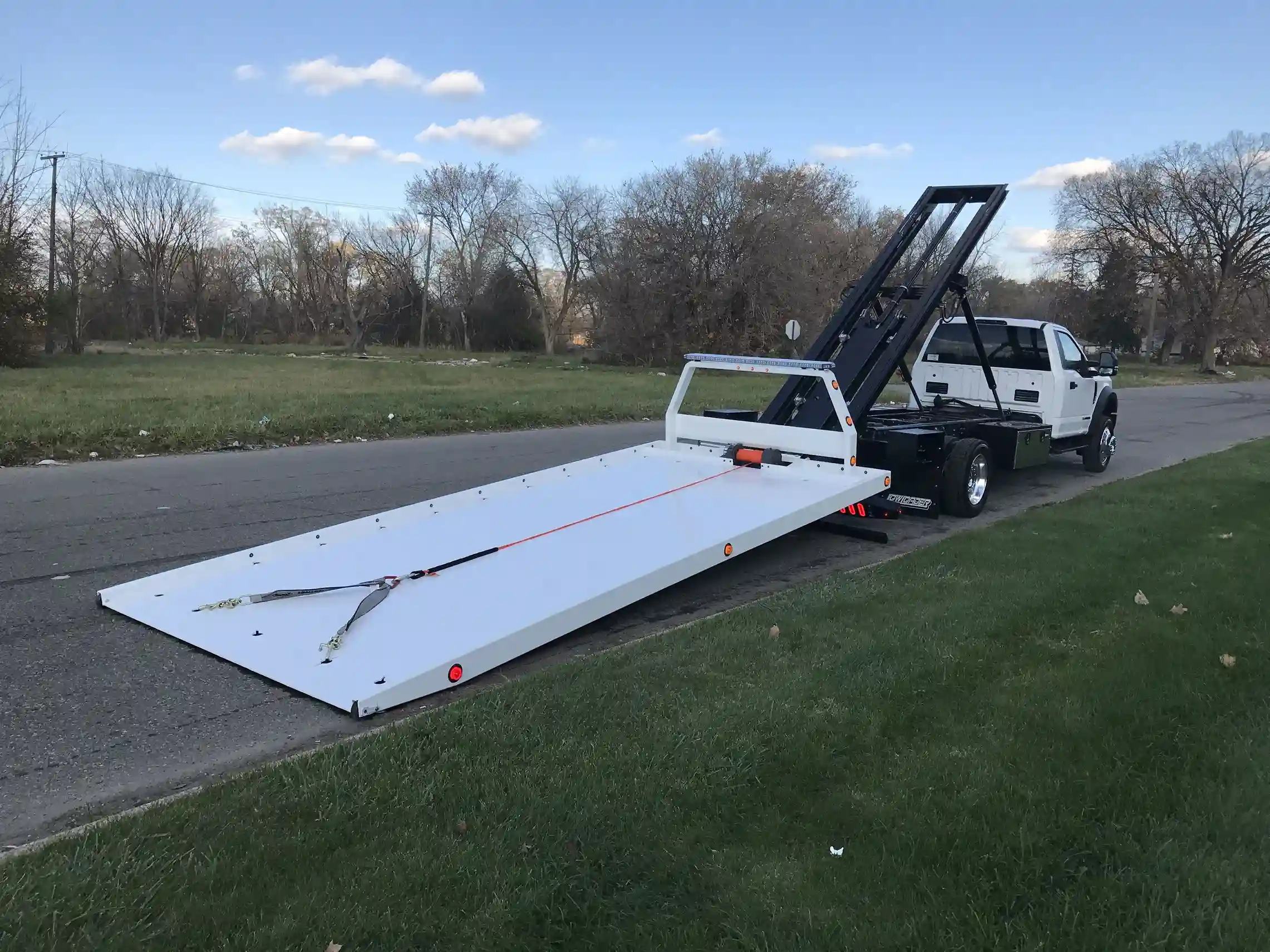
Flatbed trucks feature a large, flat deck that can be hydraulically tilted to the ground. The vehicle is either driven onto the ramp or pulled up using a winch. Once the car is on the deck, all four tires rest on the flat surface, and the car is secured using heavy-duty straps or chains.
This method eliminates the risk of transmission damage. Many modern vehicles, especially those with all-wheel drive, cannot have their wheels spinning while the engine is off without causing internal heat buildup. A report from J.D. Power explains that towing an all-wheel-drive vehicle with two wheels on the ground can lead to expensive repairs in the drivetrain system. Flatbed towing removes this risk entirely.
Safety is another major advantage of this method. Because the car sits entirely on the truck, there is no chance of it swaying or unhooking during transit. It also protects the tires from uneven wear and prevents the bumper from hitting the ground when driving over potholes or speed bumps.
Bonus Tip for Luxury Car Owners
If you own a low-profile sports car, always ask for a flatbed with a “low angle” or “extended” ramp. This prevents the front lip of the car from scraping the deck during the loading process.
The Role of Wheel Lift Towing in Tight Spaces
Wheel lift towing is an evolution of the old hook-and-chain method. Instead of chains that might scratch the bumper, this system uses a metal yoke that fits around the tires. A hydraulic lift raises one end of the car, allowing the other set of tires to remain on the road.
This method excels in urban environments. In a crowded city like Atlanta, cars are often parked in tight parallel spots or low-clearance parking garages. A flatbed truck is often too large to enter these areas or maneuver into the correct position to load a vehicle. Wheel lift trucks are smaller and more nimble, making them the standard for quick recoveries in congested areas.
According to data from IBISWorld, the towing industry continues to see a high demand for these versatile units because they allow for faster response times in high-traffic zones. If a car is stuck in a narrow alley or a multi-level deck, a wheel lift is often the only viable solution.
Comparing Towing Methods at a Glance
The following table breaks down the primary differences between these two common towing options.
| Feature | Flatbed Towing | Wheel Lift Towing |
|---|---|---|
| Drivetrain Compatibility | All types (AWD, 4WD, FWD, RWD) | Primarily FWD or RWD |
| Distance Capability | Excellent for long distances | Best for short local trips |
| Loading Speed | Moderate | Fast |
| Space Required | Large area for ramp extension | Minimal space needed |
| Risk of Wear | Zero tire or transmission wear | Moderate wear on trailing tires |
| Equipment Cost | Generally higher | Generally lower |
Understanding Towing Cost in Atlanta, GA
Prices for towing services vary based on the equipment used and the distance traveled. In many cases, a flatbed service carries a higher “hook-up fee” than a wheel lift. This is due to the higher cost of the truck itself and the time required to safely secure the vehicle on the deck.
Data regarding towing costs indicates that flatbed towing can cost between 20% to 30% more than wheel lift options. In a local market like Atlanta, GA, base rates might start around $75 to $125 for a wheel lift, while flatbeds often begin at $100 to $150. Beyond the base fee, companies charge a per-mile rate that usually ranges from $3 to $7.
Distance is the most significant factor in the final bill. If a vehicle needs to travel 50 miles, a flatbed is safer but will be more expensive. If the car only needs to move three miles to a local repair shop, a wheel lift provides a more economical solution without sacrificing safety for a standard two-wheel-drive car.
Safety and Mechanical Considerations
Safety involves both the vehicle being towed and the people on the road. Flatbed trucks are generally considered safer for other drivers because the load is contained within the footprint of the truck. There is no trailing vehicle that could potentially swing out during a sharp turn.
However, wheel lift towing is perfectly safe when performed by a skilled operator. The key is ensuring the vehicle is towed from the correct end. For a front-wheel-drive car, the front wheels must be lifted. For a rear-wheel-drive car, the rear wheels should be lifted, or the driveshaft must be disconnected. Failure to do this can result in the transmission turning without lubrication, which leads to total mechanical failure.
The National Highway Traffic Safety Administration provides guidelines on towing safety that emphasize the importance of secure attachments. Whether using a flatbed or a wheel lift, the operator must use secondary safety chains to ensure the vehicle remains attached even if the primary lift mechanism fails.
Things to Consider Before Making a Decision
Before calling for assistance, gather specific details about the situation. This helps the dispatcher send the correct equipment the first time.
- Drivetrain Type: Is the car All-Wheel Drive (AWD), Front-Wheel Drive (FWD), or Rear-Wheel Drive (RWD)?
- Vehicle Condition: Are the wheels locked or damaged? If the wheels cannot roll, a flatbed is almost always necessary.
- Location: Is the car in an open lot, a narrow street, or an underground garage?
- Distance: How far does the car need to go? Longer trips favor the stability of a flatbed.
- Ground Clearance: Does the car have a very low front bumper or aftermarket modifications?
Bonus Tip on Transmission Protection
If you are unsure about your drivetrain, look at the owner’s manual under the “Emergency Towing” section. It will explicitly state if the vehicle requires a flatbed. If you cannot find the manual, check the driver-side door jamb or the trunk for stickers with towing instructions.
Common Questions About Towing Options
Many drivers worry about the impact of towing on their vehicle’s alignment or tires. When a wheel lift is used correctly, it does not affect the alignment because the wheels are held securely in a cradle. The trailing wheels roll just as they would if you were driving the car.
Another frequent concern involves the emergency brake. If a car is towed using a wheel lift and the emergency brake is engaged on the wheels that remain on the ground, it will cause severe tire and brake damage. Operators must check that the parking brake is off or use “dollies”, small wheels placed under the trailing tires, to prevent them from dragging.
Expert Answers to Frequently Asked Questions
Can a wheel lift tow truck handle an SUV?
Many SUVs are all-wheel drive or four-wheel drive. While a wheel lift can physically lift the weight, it is not recommended for these vehicles unless dollies are used to keep all four wheels from spinning. As noted earlier, a flatbed remains the preferred choice for most SUVs to prevent drivetrain wear.
Is flatbed towing always the best choice?
While it is often the safest, it is not always feasible for every situation. If a car is stuck in a garage with a low ceiling, a flatbed truck cannot enter or tilt its bed. In these specific scenarios, a wheel lift is the superior tool for the job.
Will towing my car damage the bumper?
Modern wheel lift trucks use a “no-touch” system where only the tires are contacted. This prevents the metal parts of the truck from touching the body of your car. Flatbed towing also avoids bumper contact, provided the ramp angle is appropriate for the car’s ground clearance.
How do I know if I need a flatbed for my electric vehicle?
Most electric vehicles (EVs) must be towed on a flatbed. EVs use regenerative braking systems that can be damaged if the wheels turn while the car is off. Manufacturers like Tesla and Rivian specifically require flatbed transport to protect the electric motors and battery systems from internal damage.
Key Considerations for Choosing Your Tow
The choice between a flatbed and a wheel lift comes down to the vehicle’s design and the location of the breakdown. Flatbed towing offers the most security and is essential for AWD vehicles, EVs, and long-distance hauls. Wheel lift towing provides a faster, more cost-effective solution for short distances and tight urban spaces. Drivers should assess their vehicle’s drivetrain and the accessibility of their location before requesting a specific truck. Always communicate the vehicle type clearly to ensure the operator brings the correct equipment to protect the car’s mechanical integrity.
Emergency Towing Support and Services
ALTA RUNS TOWING provides expert assistance for all types of vehicle recoveries and transports. Whether a situation requires a flatbed for a luxury vehicle or a nimble wheel lift for a crowded parking deck, professional operators are ready to help. For immediate service or to ask questions about specific vehicle requirements, contact ALTA RUNS TOWING at (470) 684-2913. Inquiries can also be sent via email to tobb1018@gmail.com for non-emergency scheduling and information.
Sources
J.D. Power – J.D. Power
IBISWorld – IBISWorld
Angi – Angi
National Highway Traffic Safety Administration – National Highway Traffic Safety Administration