Standard towing service fees usually range from $75 to $125 for a base hook-up fee, followed by a per-mile charge that typically sits between $2 and $7. For a short-distance tow of five to ten miles, a vehicle owner should expect to pay a total between $100 and $200. These prices fluctuate based on the specific type of vehicle, the time of day, and the complexity of the recovery.
Professional roadside assistance provides a predictable structure for these expenses. Understanding these rates helps drivers make informed decisions when they find themselves stuck on the side of the road. Alta Runs Towing relies on years of field experience to provide a clear breakdown of how these costs accumulate in real-world scenarios.
Primary cost components of a tow
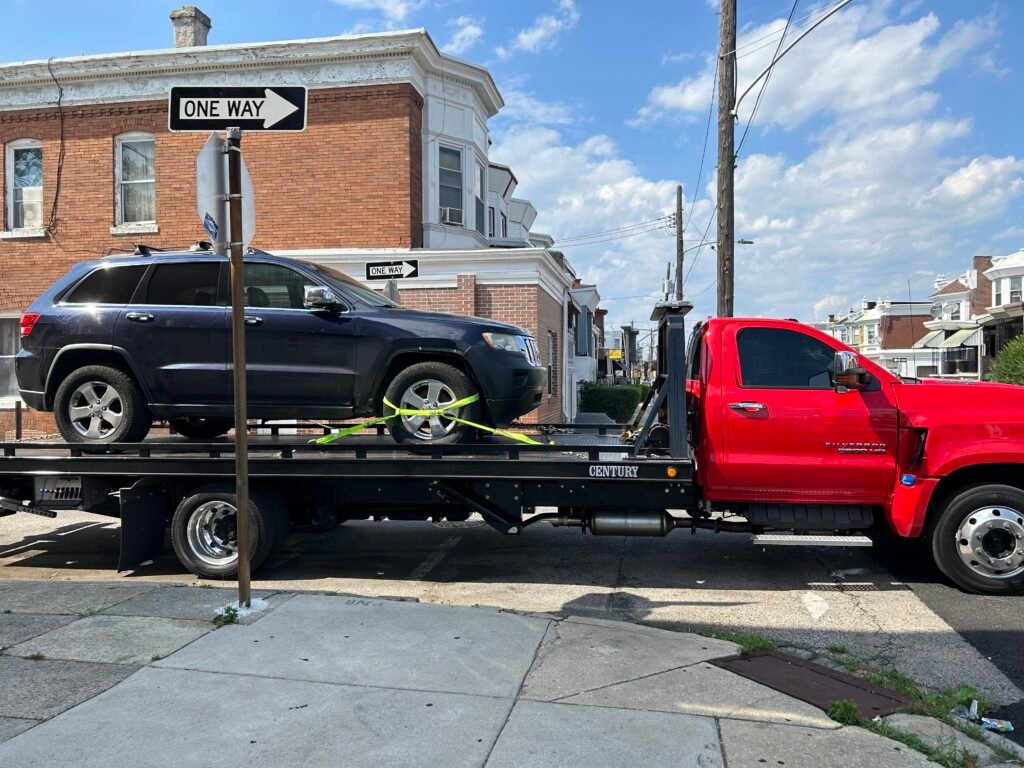
Towing expenses consist of two main parts, which are the hook-up fee and the mileage rate. The hook-up fee, also known as a base rate or service fee, covers the cost of the truck traveling to the location and the labor required to secure the vehicle to the lift or flatbed. This fee remains constant regardless of whether the car travels one mile or twenty miles.
The second part of the bill is the mileage rate. This covers the fuel and wear on the tow truck while transporting the vehicle to its destination. Most companies charge this per mile from the pickup point to the drop-off point. Some providers include the first few miles in the base hook-up fee, while others start the meter immediately.
Specific factors that influence the final price
Vehicle size and weight significantly impact the total cost. Small sedans and motorcycles require standard equipment, keeping prices at the lower end of the scale. However, larger SUVs and pickup trucks might require heavier trucks or specialized dollies, which increases the labor and equipment costs. If the vehicle is a commercial truck or a bus, a heavy-duty towing service becomes necessary, which carries much higher base rates due to the massive machinery involved.
Distance also plays a major role in long-distance scenarios. While a local towing service within city limits often stays under $200, transporting a car across state lines or to a distant city can cost several hundred or even thousands of dollars. According to data from The Zebra, the national average for a 40-mile tow often reaches $275, depending on regional demand and fuel prices.
The time of day and calendar date can trigger surcharges. Most companies operate 24/7, but requesting a tow at 3:00 AM on a Sunday or during a major holiday often results in an “after-hours” or emergency fee. These surcharges typically add $50 to $150 to the base rate.
Bonus Tip: Always check if the car insurance policy includes roadside assistance. Many drivers pay for this coverage without realizing it, which can reimburse the cost of a tow up to a certain dollar limit or mileage distance.
Comparative breakdown of towing expenses
The following table provides estimated price ranges for different types of towing needs based on industry standards.
| Service Type | Estimated Hook-up Fee | Average Price Per Mile | Total Estimated Range (Local) |
|---|---|---|---|
| Standard Local Tow | $75 – $125 | $3 – $5 | $100 – $200 |
| Heavy-Duty Towing | $200 – $500 | $5 – $10 | $400 – $1,000+ |
| Motorcycle Towing | $75 – $100 | $2 – $5 | $90 – $150 |
| Winch-Out Service | $100 – $250 | N/A (Hourly) | $100 – $300 |
| Long Distance (50+ miles) | $100 – $150 | $2 – $4 | $250 – $600 |
Specialized recovery and additional service fees
Sometimes a vehicle is not just sitting on the pavement, ready to be hooked up. If a car is stuck in a ditch, mud, or snow, a winch-out service is required. Winching involves using a motorized cable to pull the vehicle back onto a drivable surface. Pricing for winching is often billed by the hour or by the complexity of the job rather than by mileage.
Labor-intensive situations, like a vehicle with missing wheels or a locked transmission, also add to the bill. These scenarios require specialized equipment like “skates” or “dollies” to prevent further damage to the car. A report by J.D. Power notes that these additional labor charges are common when the vehicle is not in a “neutral” or “rollable” state.
Regional price variations and market data
Location significantly dictates the price of a tow truck service. In densely populated areas like Atlanta, GA, the higher cost of living and increased traffic congestion lead to higher operational costs for towing companies. These costs are reflected in slightly higher base fees compared to rural areas.
According to market research from CostHelper, consumers in major metropolitan areas should expect to pay 15% to 25% more than the national average due to higher insurance premiums and fuel taxes paid by the service providers. Furthermore, storage fees can accumulate if the vehicle is taken to a tow yard instead of a repair shop or a home address. These storage fees often range from $30 to $100 per day.
Bonus Tip: If the car is being towed after an accident, ask the driver for the exact address of the storage lot. Daily fees add up quickly, so retrieving the vehicle or moving it to a repair shop as soon as possible saves significant money.
Things to consider before making a decision
Before calling for assistance, evaluate the situation to avoid unnecessary costs. Check the following factors to ensure a smooth and fair transaction.
- Insurance and Memberships: Verify if roadside assistance is part of an insurance plan or a club membership like AAA.
- Company Reputation: Look for providers with clear pricing structures and positive feedback regarding their handling of vehicles.
- Equipment Type: Ensure the company has the right truck for the job. A four-wheel-drive vehicle usually requires a flatbed to avoid damaging the drivetrain.
- Payment Methods: Confirm what forms of payment the driver accepts. Some companies require cash or credit cards on the spot, while others might bill an insurance provider directly.
- Destination Knowledge: Have a clear destination address ready. Changing the drop-off location mid-trip can lead to unexpected mileage adjustments.
Common Questions
Many drivers feel uncertain about the logistics of towing. Knowing whether to stay with the vehicle or how to handle a car that won’t shift into gear can reduce stress during a breakdown. Most professional drivers prefer the owner to stay with the car, but it is not always a legal requirement. If the car is in a dangerous spot on the highway, safety should always come first.
Practical answers for frequent towing inquiries
Can a car be towed if the keys are missing or the doors are locked?
Yes, professional companies use specialized tools to gain entry or use wheel dollies to lift the vehicle without needing it to be in neutral. This process may involve a small additional fee for the extra labor and equipment used.
Does the price change if the car is in a parking garage?
Low-clearance areas like parking garages often require a special “low-profile” tow truck. These trucks are smaller but equipped to handle the same weight as standard trucks. Because these specialized vehicles are less common, some companies charge a premium for garage extractions.
Is towing more expensive on a highway than on a residential street?
The price usually remains the same, but the risk level increases. If the police department calls for a tow to clear a highway lane, they may use a “contract rate” which can be higher than a standard private request. Calling a local towing service directly often results in more competitive pricing.
How much does it cost to tow a heavy-duty truck?
Heavy-duty towing for semis, buses, or heavy machinery starts at a much higher price point, often beginning at $200 for the hook-up. The per-mile rate is also higher because these trucks consume significantly more fuel and require specialized certifications for the operators.
Summary of towing costs
Understanding how much a towing service costs involves looking at the base hook-up fee, mileage, and the specific needs of the vehicle. Standard local tows typically fall between $100 and $200, while specialized or heavy-duty services will cost more. Factors like vehicle weight, distance, and the time of day are the primary drivers of the final bill.
Drivers should always verify their insurance coverage and ask for a price estimate before the truck arrives. Assessing the situation calmly and choosing a reputable service provider ensures the vehicle is handled safely without hidden fees. Evaluating individual needs and long-term repair goals helps in selecting the most cost-effective towing option.
Professional roadside support
When a vehicle fails, getting it to a safe location is the immediate priority. Alta Runs Towing provides reliable assistance to drivers needing a local towing service or more complex recovery options. For those located in or around Atlanta, GA, clear communication and professional equipment are available at (470) 684-2913. Inquiries regarding specific service areas or specialized vehicle needs can also be sent via email to tobb1018@gmail.com for detailed information.
Sources
- The Zebra – The Zebra
- J.D. Power – J.D. Power
- CostHelper – CostHelper