Vehicle trouble can happen without warning, and knowing what to do immediately can prevent a dangerous situation. During a car breakdown in Atlanta, the first priority is moving safely toward the right shoulder, away from active traffic lanes, and turning on hazard lights to alert other drivers. If the vehicle stops on a high-speed interstate such as I-85 or the Downtown Connector, remaining inside the car with the seatbelt fastened is usually safer until assistance arrives. Professional help is then needed to relocate the vehicle to a repair shop or secure location.
This guide provides a roadmap for managing vehicle failures in the metro area. It covers safety protocols, legal requirements in Georgia, and how to identify the right type of help. Following these steps helps minimize risk on some of the most congested roads in the United States.
Immediate Safety Actions on Atlanta Interstates
Atlanta features some of the busiest highways in the country. According to data from INRIX, Atlanta consistently ranks among the top ten most congested cities in the United States. This volume of traffic makes a breakdown particularly hazardous.
Move to the Right Shoulder
Always attempt to reach the right shoulder. The left shoulder is significantly more dangerous because drivers exiting the vehicle are positioned next to high-speed travel lanes. If the car cannot reach the right side, keep the wheels turned away from traffic and stay inside.
Increase Visibility
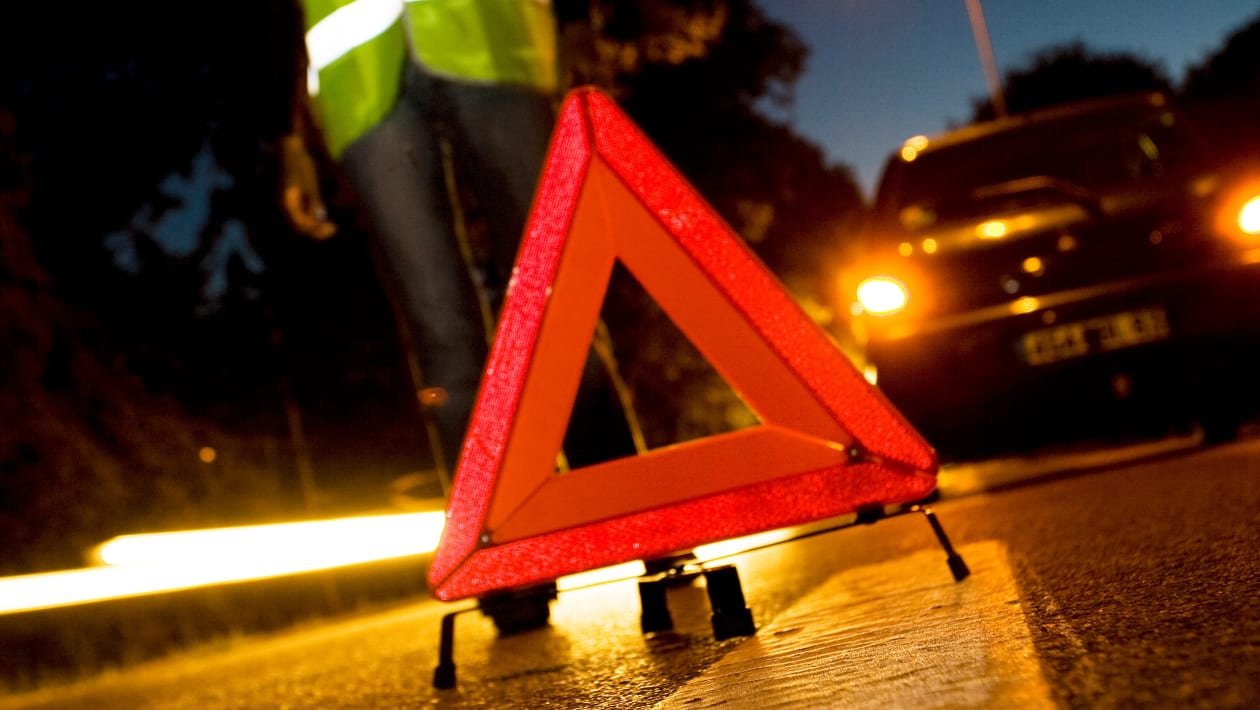
Hazard lights are the first line of defense. They signal to other motorists that the vehicle is stationary. In low light or rainy conditions, this is even more important. Drivers can also raise the hood of the car once they are in a safe spot to signal a mechanical issue.
Use Emergency Resources
The Georgia Department of Transportation operates Highway Emergency Response Operators, commonly known as HERO units. These units patrol major interstates around the metro area to clear lanes and assist stranded motorists. They can help with fuel, tire changes, or jumpstarts to get a vehicle moving again.
Bonus Tip: Program 511 into your phone. In Georgia, dialing 511 connects drivers to a dispatch center that can send a HERO unit to their location on the interstate.
Understanding the Georgia Move Over Law
Safety is not just about the person in the broken car. It is also about those coming to help. The Governor’s Office of Highway Safety outlines the Move Over Law, which requires drivers to shift over one lane when approaching stationary emergency vehicles with flashing lights. This includes towing trucks and HERO units.
If shifting lanes is impossible due to traffic density, the law requires drivers to slow down below the posted speed limit and be prepared to stop. Failure to follow this law results in fines and points on a driver’s record. This law exists to protect those working on the side of the road from being struck by passing traffic. Once safety and legal requirements are addressed, identifying the specific cause of the breakdown helps determine the next steps.
Identifying Common Vehicle Failures
Recognizing the symptoms of a breakdown helps determine if a mobile repair is possible or if a tow is required. Atlanta’s high summer temperatures and stop-and-go traffic put unique stresses on vehicles.
| Symptom | Likely Cause | Resolution Type |
|---|---|---|
| Rapid clicking when turning the key | Dead or weak battery | Roadside jumpstart |
| Steam rising from under the hood | Cooling system failure | Emergency towing |
| Sudden thumping or steering pull | Flat or blown tire | Tire change or plug |
| Engine sputters and dies | Fuel depletion | Fuel delivery |
| Grinding noise when braking | Brake pad failure | Towing to shop |
Battery Issues in the Georgia Heat
High temperatures in the South accelerate battery degradation. Heat causes battery fluid to evaporate, damaging the internal structure. If a car fails to start after being parked in the sun, a battery jump is the most likely fix.
Tire Failures on the Perimeter
The I-285 loop, known locally as the Perimeter, often contains debris from heavy trucking. This debris leads to frequent punctures. If a tire blows out, do not slam on the brakes. Maintain a firm grip on the steering wheel and coast to the shoulder.
Choosing Between Roadside Assistance and Towing
Not every breakdown requires a trip to a mechanic. Many issues can be resolved on the spot, allowing the driver to continue their day.
Roadside Help
This service is for minor mechanical issues. It includes jumpstarting a battery, unlocking doors when keys are trapped inside, or delivering a few gallons of gasoline. If the vehicle is mechanically sound but has a temporary problem, this is the most efficient choice.
Emergency Towing
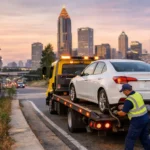
If the engine overheats, the transmission fails, or the car is involved in an accident, towing is required. ALTA RUNS TOWING provides equipment to transport vehicles safely to a destination of the driver’s choice. Professional towing ensures that the vehicle does not suffer further damage during transport.
Bonus Tip: Always check if a car insurance policy or credit card includes roadside assistance before paying out of pocket. Many people have this coverage without realizing it.
Things to Consider Before Calling for Help
Before contacting a service provider, gather specific information to ensure the right equipment arrives.
- Exact Location: Look for mile markers, exit numbers, or nearby landmarks. On the Downtown Connector, knowing if the car is north or south of the I-20 interchange is vital.
- Vehicle Details: Provide the make, model, and color. Most importantly, note if the vehicle is four-wheel drive or all-wheel drive, as these require specific types of tow trucks.
- The Nature of the Problem: Describe the sounds or smells that occurred before the car stopped. This helps the technician prepare.
- Safety Status: Inform the dispatcher if the car is in a travel lane or if there are passengers who need a ride.
Managing the Cost of Breakdown Services
Pricing for assistance in the metro area varies based on the time of day, the distance of the tow, and the complexity of the recovery. Most companies charge a hook-up fee plus a per-mile rate.
A report by AAA suggests that many drivers are unprepared for the financial hit of an unexpected repair. Keeping an emergency fund for these situations prevents the stress of a breakdown from becoming a financial crisis. In Atlanta, towing rates may be higher during peak rush hour due to the time it takes for the truck to reach the scene.
Common Questions About Atlanta Breakdowns
Can I leave my car on the shoulder of the highway?
The Georgia State Patrol generally allows vehicles to remain on the shoulder for a short period, usually 24 to 48 hours, if they are not blocking traffic. However, the vehicle must be as far off the road as possible. If the car is deemed a hazard, it will be impounded quickly. It is always better to arrange a tow immediately to avoid theft or police impound fees.
What if I run out of gas on the interstate?
Running out of fuel is a common issue in heavy traffic. Contact 511 to request a HERO unit; these operators often carry a small amount of fuel to help drivers reach the next exit. If a HERO unit is unavailable, a private roadside service provider can deliver fuel for a fee.
Should I stay in my car?
As noted in the safety guidelines above, staying inside with the seatbelt fastened is the standard recommendation on busy highways. The vehicle serves as a protective shell against traffic. If the car is in a secure parking lot or well away from moving traffic on a side street, standing a safe distance from the vehicle is acceptable.
Georgia Roadside Help FAQs
How long does it take for help to arrive in Atlanta?
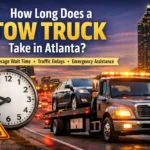
Arrival times vary based on traffic and location. During rush hour, response times may increase. On major interstates, HERO units patrol frequently, but a private towing service in Atlanta usually takes 30 to 60 minutes, depending on the proximity of the truck.
Do I need to be with the car for it to be towed?
Most companies prefer the owner to be present to sign paperwork and provide keys. If the situation is an emergency and the owner must leave, arrangements can be made to tow the vehicle to a specific shop, provided the keys are left in a pre-arranged spot, and payment is handled over the phone.
Can a tow truck take my car to any repair shop?
Yes, drivers have the right to choose their destination. ALTA RUNS TOWING can deliver the vehicle to a home, a preferred dealership, or a local independent mechanic.
What happens if my car breaks down in a parking garage?
Towing from a parking garage requires a low-profile truck. Standard tow trucks are often too tall to enter these structures. When calling for help, specify that the vehicle is inside a garage and provide the height clearance if possible.
Assessing the Situation
Dealing with a car breakdown in Atlanta requires a calm approach and a focus on safety. Prioritize getting the vehicle to a secure location and notifying other drivers with hazard lights. Whether the issue is a simple flat tire or a major engine failure, using the available resources like HERO units or professional towing services makes the process manageable. Always evaluate the specific environment and traffic flow before exiting the vehicle. Following these protocols ensures that a mechanical failure remains a minor inconvenience rather than a dangerous event.
Professional Assistance in Metro Atlanta
When mechanical issues arise, reliable support is necessary to clear the roadway. ALTA RUNS TOWING offers recovery solutions for drivers across the metropolitan area. For immediate help or to schedule a vehicle transport, contact the team at (470) 684-2913 or via email at tobb1018@gmail.com. Maintaining access to professional roadside assistance in Atlanta ensures that help is available regardless of where the vehicle stops.
Sources
INRIX – INRIX
Georgia Department of Transportation – Georgia Department of Transportation
Governor’s Office of Highway Safety – Governor’s Office of Highway Safety